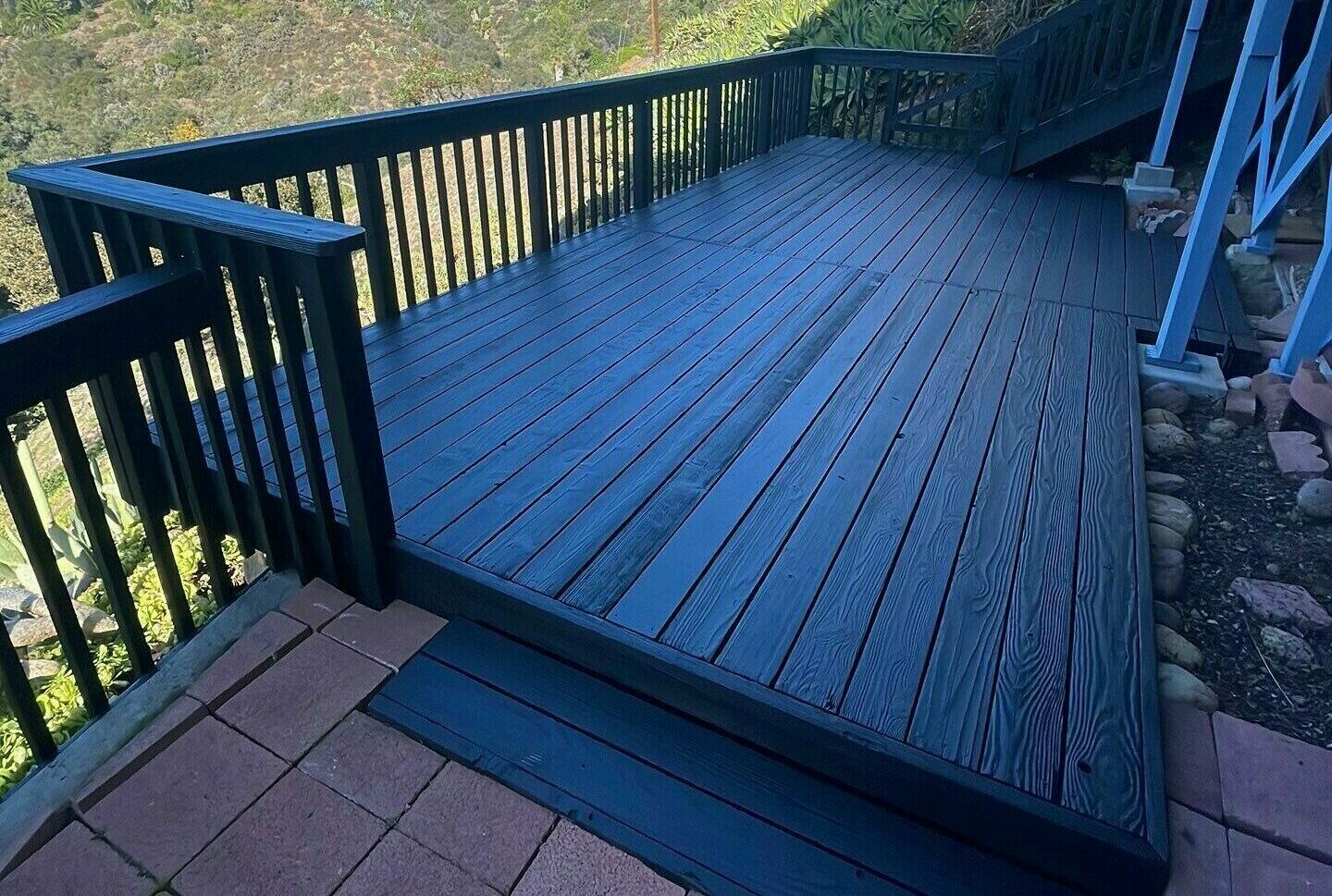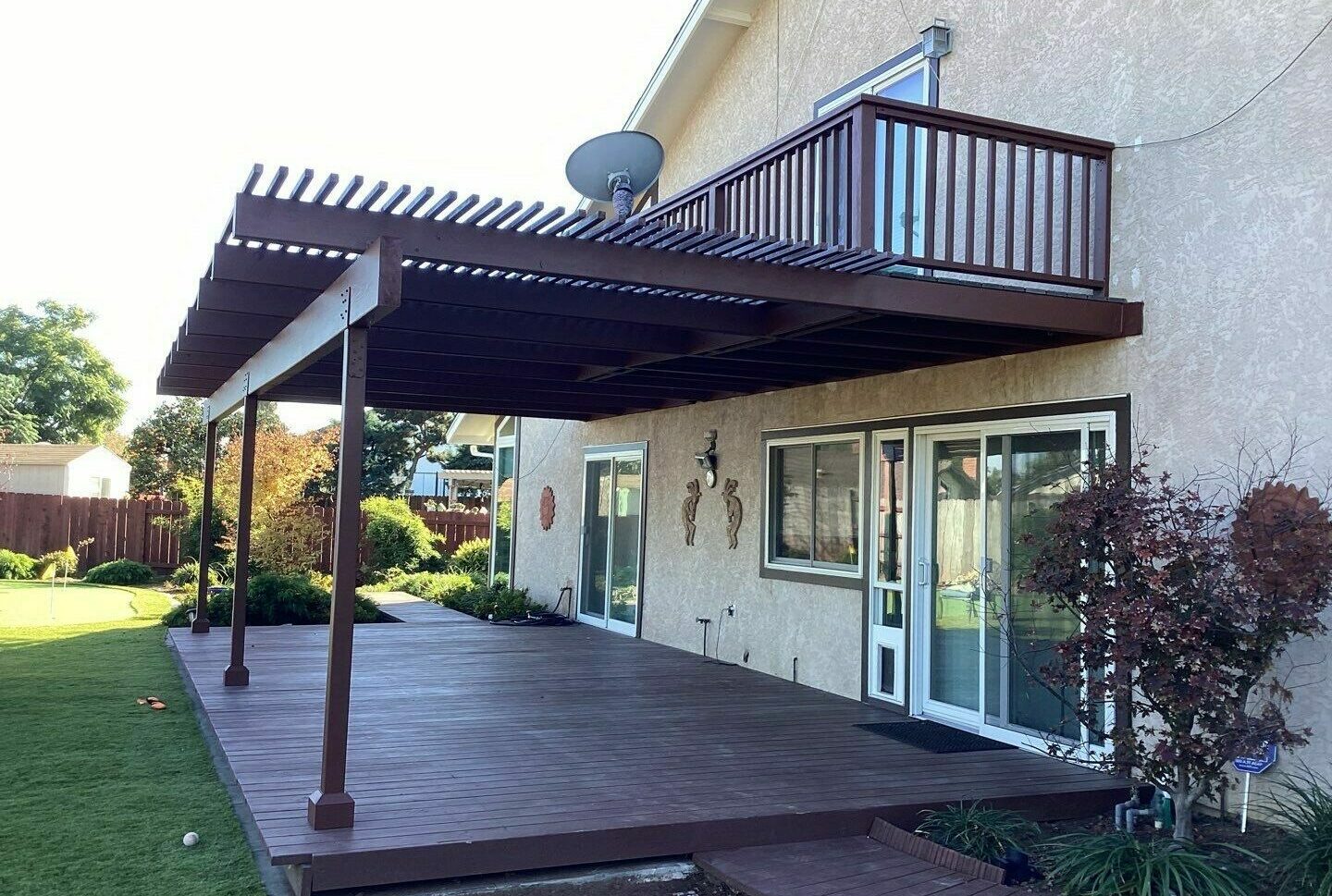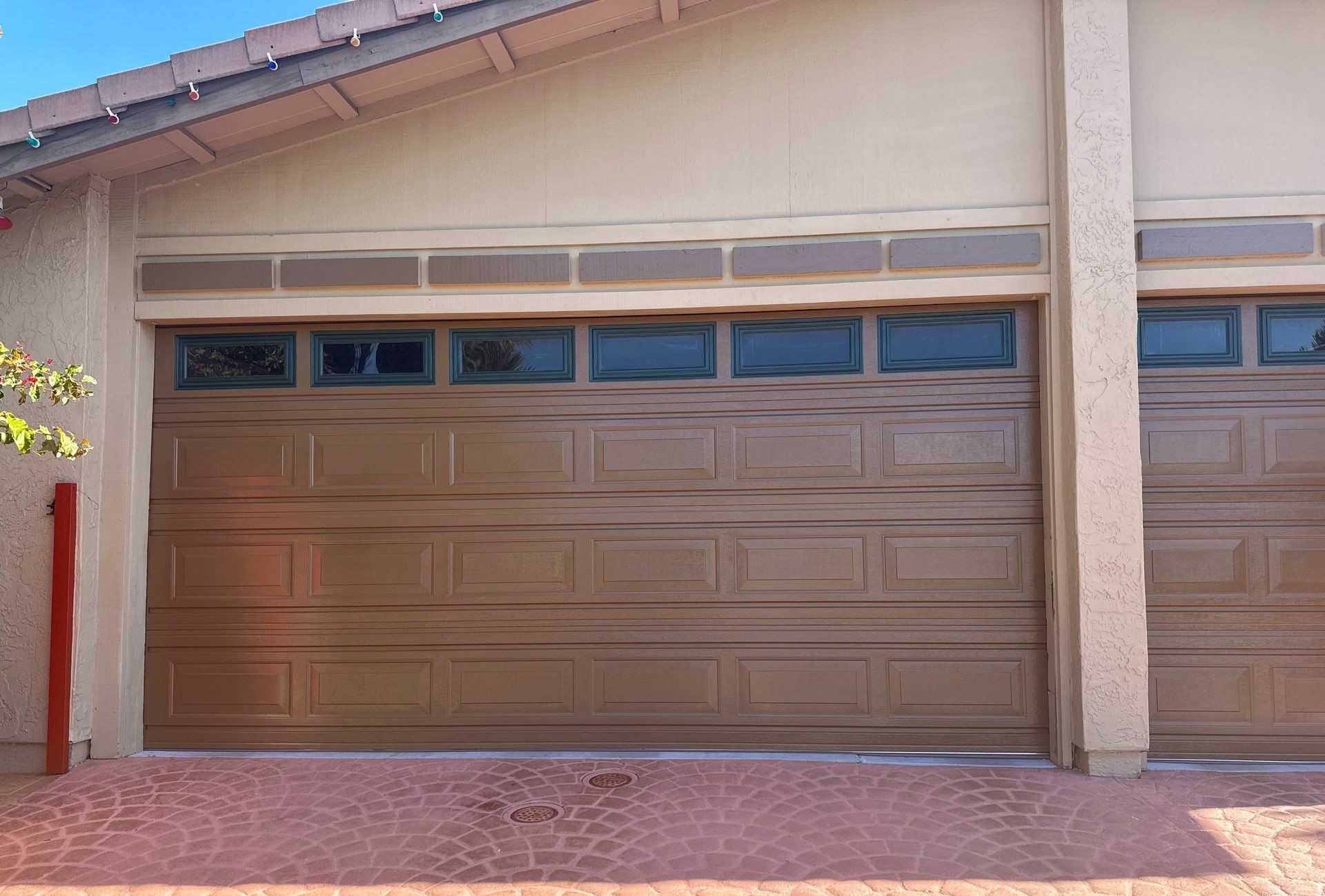
At PaintGreen, we strive to provide a positive painting experience for all our San Diego clients. We paint in a professional manner, are courteous of our client's needs, and are committed to painting in an Environment of Integrity. The paint and materials we use are of premium quality, each painter pays close attention to detail, and all our clients agree that we are a hard-working and motivated group of painters.
How to Dispose of Old Paint
Don't throw it away!
Old paint can be donated, reused, recycled, or as a last resort... properly disposed at a licensed facility.
It is illegal to dispose of paint in the trash or down storm or sewer drains, because paint can contaminate drinking water and ocean water. Special collection programs have been established to accept paint for recycling or proper disposal.
Here in San Diego County, there are several locations that accept old paint. You can find the closest location to you at http://www.sdcounty.ca.gov/deh/chd/hhwfacilities.html
Reuse Options
If you have leftover, unwanted paint in good condition, consider contacting a local charity, high school drama department, or church to see if they will accept paint for reuse. Examples of nonprofit organizations that may be interested in leftover paint include local Habitat for Humanity chapters and Keep America Beautiful affiliates.
Recycling Options
Local paint reuse and recycling programs collect paint from residents and commercial businesses. The paint is then taken to a company that will then recycle it into recycled-content paint. This type of paint is created through two processes - reprocessing and reblending.
Reprocessed paint is mixed with virgin materials, tested and then packaged for distribution or sale.
Reblended paint is remixed, screened and packaged for distribution or sale. Typically reblended paint comes in only a handful of basic neutral colors. It has a much higher percentage of recycled content paint then reprocessed paint, which may influence its overall quality. Reblended paint can be used for interior/exterior painting, graffiti abatement, and local improvement projects.
When disposing of paint:
- Read the label and follow for the manufacturer’s instructions for proper disposal.
- Check with your local recycling or household hazardous waster coordinator regarding acceptable practices in your community for the disposal of dried latex paint.
- Empty containers may be thrown in the trash. A container is considered “empty” if no paint can be removed with a brush or by holding it upside down.
Solar Paint Could Produce 4,500 GW-Hours A Year!
The University announced that the 100 million square feet of steel that they produce could add 4,500 gigawatts to the grid annually. To that, I say "whoops... you seem to have made a typo," because I'm pretty sure they mean 4,500 gigawatt-hours.
But that is still an enormous number. 4,500 gigawatts is about a third of the generating capacity of the entire world... so I think it's safe to assume that every single publication (and there are lots) running this story has overlooked a pretty glaring typo.
The steel would be "painted' with the solar cells in the factory, hopefully at a rate no slower than current paints are applied. The research has spawned a $3M grant and has been expanded to include several universities including Bangor University, University of Bath, and the Imperial College London.
The technology remains lab-bound for now. Scientists working on the project hope to have 5% efficient solar steel paint in the relatively near future.
Two questions remain: Will it be worth redesigning the electricity grid to accept and pay for power from such small providers? And will the added cost of the solar "panels" and a DC to AC inverter prohibit the technology?
See the original press release (complete with glaring typo) at Swansea University
Why is the world's biggest landfill in the ocean?
In the broad expanse of the northern Pacific Ocean, there exists the North Pacific Subtropical Gyre, a slowly moving, clockwise spiral of currents created by a high-pressure system of air currents. The area is an oceanic desert, filled with tiny phytoplankton but few big fish or mammals. Due to its lack of large fish and gentle breezes, fishermen and sailors rarely travel through the gyre. But the area is filled with something besides plankton: trash, millions of pounds of it, most of it plastic. It's the largest landfill in the world, and it floats in the middle of the ocean.
The gyre has actually given birth to two large masses of ever-accumulating trash, known as the Western and Eastern Pacific Garbage Patches, sometimes collectively called the Great Pacific Garbage Patch. The Eastern Garbage Patch floats between Hawaii and California; scientists estimate its size as two times bigger than Texas [source: LA Times]. The Western Garbage Patch forms east of Japan and west of Hawaii. Each swirling mass of refuse is massive and collects trash from all over the world. The patches are connected by a thin 6,000-mile long current called the Subtropical Convergence Zone. Research flights showed that significant amounts of trash also accumulate in the Convergence
The garbage patches present numerous hazards to marine life, fishing and tourism. But before we discuss those, it's important to look at the role of plastic. Plastic constitutes 90 percent of all trash floating in the world's oceans [source: LA Times]. The United Nations Environment Program estimated in 2006 that every square mile of ocean hosts 46,000 pieces of floating plastic [source: UN Environment Program]. In some areas, the amount of plastic outweighs the amount of plankton by a ratio of six to one. Of the more than 200 billion pounds of plastic the world produces each year, about 10 percent ends up in the ocean [source: Greenpeace]. Seventy percent of that eventually sinks, damaging life on the ocean floor [source: Greenpeace]. The rest floats; much of it ends up in gyres and the massive garbage patches that form there, with some plastic eventually washing up on a distant shore.
Info pulled from: http://science.howstuffworks.
Wind Farms
Sweden might be the host for Europe’s largest wind farm if the Swedish government approves the proposed plans. The wind farm will be located in Markbygden near Piteå in northern Sweden and will have a total of 1,101 wind turbines.
“This would be Europe’s, if not the world’s, biggest wind farm,” Caj Noren, a spokesman for the board, told AFP. Construction could begin in two-and-a-half years and would be completed after about a decade, Noren said.
Once constructed the wind farm will produce between 8 to 12 terawatt hours per year and would alone meet Sweden’s national wind power target to reach 10 terawatt hours by 2015. The wind farm is expected to cost about 55 billion Swedish Kronor (around $6.9 billion or €4.5 billion) to construct.
The Swedish right-wing government recently announced that they will reverse a nearly 30-year-old ban on building nuclear power plants. Its madness when we can get cheap, clean renewable energy and at the same time create thousands of new jobs from wind farms like this one.
Local Green Contractor
How long have you been in the building industry?
Green Vision Building & Design has only been operating for about a year. However, the owners of Green Vision have over 20 years of experience in the building industry working for other companies and for there own companies.
What inspired you to take your company "green"?
It really came down to quality. Buck and I both consider ourselves craftsmen, we enjoy completing quality projects that we can be proud of. As we delved deeper into higher quality in our construction we kept running into "green building" techniques, and finally we came to the conclusion that if we built green we also would be building to the highest quality standards available. It's also a nice bonus that our "green work" gives back to the community and the environment in so many beneficial ways.
What do you do differently than other builders?
First we come in as consultants and give you many options and ideas for ways that we (or you) can reduce your houses carbon footprint and energy consumption, within your current project and just in general. We usually start with many possible options and whittle them down to what works with your budget and tastes. Once construction begins you will notice that our demolition process has much less waste than other demolitions as we try to reuse as much of the old materials as we can. Of those materials that are not reused we recycle what we can. Unlike most construction companies we usually have a recycling bin on site along with a garbage bin. During construction we use materials that are sustainable and non-toxic whenever possible (we also work within a customers budget when it comes to materials). We implement building techniques that save our customers energy and money as a result of reduced energy consumption. We pride ourselves in creating a product that looks good, one in which we can be proud to have built and the customer can be proud to live in.
Is it more expensive to build green?
The reality is that "green building" really isn't that much more expensive than standard construction practices. There are certain things, such as solar panels, which are very expensive initially but that are paid off over time in energy savings. However, for the most part, green building isn't more expensive than standard building practices. For example, when we install insulation in a wall, we take time to insure that the insulation is installed correctly, that its not "squeezed" tightly into bays which are too small (as is often done), because this causes the insulation to lose much of its R-value (its ability to insulate). We also caulk joints around ducts, pipes, and other openings which allow air to leak in and out of the building. These better building "green" techniques may cost our customers an extra $200, but they will result in a wall that is in some cases 50% more efficient than the same wall installed without the same attention to detail. So going green really doesn't mean you have to drain your pocket book, and the end result is usually a more energy efficient and more comfortable home.
What is the most common mis-perception in your industry?
See above answer.
How should people contact you?
Call green vision at 619-972-2002 or email myself (Joey) or Buck at:
joey@greenervision.net
buck@greenervision.net
You can also view our website at www.greenervision.net.
www.paintgreen.com
Paint Quality Institute
There are two basic types of paint to choose from: water-based paints, often referred to as acrylic emulsions, and solvent-based paints. High-quality water-based paints offer not just an excellent all-round performance profile, they are also a good choice from an environmental perspective. Solvent-based paints, the more traditional type of paint, require users to excercise a degree of caution to avoid potential damage to the environment.
Solvent-based paints are a source of potentially hazardous emissions called Volatile Organic Compounds (VOCs), a family of substances that easily evaporate into the air to form invisible vapours.
When evaporating, the solvents contained in paint emit VOCs into the atmosphere. VOCs react with oxygen in the presence of sunlight to form ozone – "bad" ozone.
It is important to distinguish between "good" ozone and "bad" ozone.
"Good" ozone occurs naturally in the stratosphere about 10-35 kilometres above the ground, which protects the surface of the earth from harmful ultraviolet rays and acts to protect plants, animals and humans from its various harmful effects.
"Bad" ozone occurs at ground level, forms through the chemical reaction between VOCs, oxygen and sunlight, and is an irritant for the mucous membranes. It can also cause nose, eye, and throat irritations; and can lead to shortness of breath, coughing, and asthmatic symptoms.
This "bad" lower-atmosphere ozone can also damage vegetation – plants, trees, bushes – and such impacts negatively on those dependent on nature for their livelihood. This ozone also has a corrosive effect on certain man-made materials: for example, it accelerates the deterioration and fading of certain paints.
A further major consequence of VOC emissions is global warming – VOCs play a significant role with respect to the creation of the greenhouse effect. Further, some chemically very stable VOCs participate in the destruction of the stratospheric ozone layer (the "good ozone"): this is the famous hole in the ozone layer.
San Diego Paint Contractor: PaintGreen
"Blazing the Green trail for other San Diego Paint Contractors to follow."
www.paintgreen.com
Ceram-X follow up
I talked to the guys at Ceram-X and learned that how much energy saved is determined by several factors, including the color chosen. Unlike most elastomeric paint, their ceramic base will actually repel dirt, rather than attract it.
Elastomeric paints are much more costly to apply than traditional paint, but are a great product for a long-term paint solution.
We are happy to have another high-quality paint to be able to offer our San Diego-area clients.
Lower your energy bills... with paint???
A ceramic-based paint made locally in San Diego promises to be able to do just that. Ceram-X brand paint offers a 25 year warranty as well as several other advantages over "normal" paint.
We just found out about this paint, and will let you know more about it once we have a chance to test it out. Stay tuned for more...
www.paintgreen.com
Garbage Island
While it is essentially unavoidable to use some plastic while painting, we've increased our reliance on re-usable canvas dropcloths. We've cut the amount of garbage we produce to about a third of what is use to be.
Reducing the amount of garbage we all produce is important, especially in light of news like the garbage island twice the size of Texas that is floating around just North of Hawaii: http://www.cnn.com/video/#/video/bestoftv/2008/04/14/ntm.garbage.island.cnn
and
http://www.bloomberg.com/apps
Global Warming Spokesbear
- Julie, Mission Hills
The best way to paint in an environmentally friendly way is to paint it right the first time. Quality paint applied properly with thorough prep will last several times longer than paint applied poorly. Even though they are not currently certifying painters we are committed to following the principles outlined by the San Diego County Green Business Program. We use paints that have been Green Seal Certified containing little or zero volatile organic compounds (VOCs).